
Since releasing our first cord blood sample in 2005, Cells for Life has been committed to helping families access their newborn stem cells when they may be needed. These precious cells have been used in both established transplant medicine and ongoing regenerative medicine research.†
Earlier this year, the CooperSurgical laboratory, where Cells for Life’s samples are stored, acknowledged an important milestone: more than 800 cord blood samples released for planned use in treatment.1 But what actually happens when a family decides to use their stored cord blood? Behind every release is a dedicated team working carefully with families and healthcare providers every step of the way.
The first call
When a family contacts Cells for Life about using their cord blood, they are connected with one of our Clinical Specialists. This team helps gather important information, such as:
- The diagnosis or condition being treated
- The type of treatment being considered
- The physician or medical facility overseeing care
Just as importantly, our Clinical Specialists help families understand what to expect during the process, including timelines, required paperwork, and next steps. We know this can be a stressful time, and our goal is to make the experience as smooth and straightforward as possible.
Confirming the sample is the right for treatment
The treating physician will determine whether a cord blood sample is appropriate for use under specific gudielines. To help support that decision, several factors may be reviewed, including:
- The number of stem cells available in the sample
- Cell viability (the number of live, viable cells)
- Sterility testing results
- Infectious disease screening results from the birth mother
- Medical records collected at the time of birth if necessary
As part of the evaluation process, a small sample of the stored cord blood can be sent to the treating facility or a specialized laboratory for additional testing. This allows the healthcare team to confirm the sample’s suitability before treatment.
Preparing the cord blood for release
Once the treating facility officially requests the cord blood sample, our experienced team takes it from there. Understanding the importance of timely treatment decisions, we collaborate closely with the treating physician’s team and prioritize sending samples within the timeframe requested by the physician to help support the best possible patient outcomes.
Our Medical Director, Stem Cell Release Team, and Quality Assurance Team carefully review all records to ensure everything is complete and ready for release. Next, our Biorepository Team retrieves the cord blood sample from storage and prepares it for shipment.
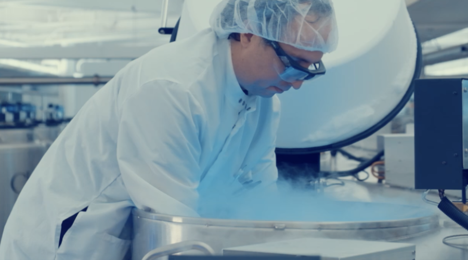
To keep the sample safely frozen during transport, it is placed inside a specialized container called a dry shipper, which maintains temperatures below -150°C. We also work with experienced medical shipping partners to help ensure the sample arrives safely and on time.
After the shipment leaves our Tucson, Arizona facility, our team follows up with the treating medical center to confirm delivery.
Supporting families every step of the way
While every family’s treatment journey is unique, Cells for Life is honored to play a small role in helping make those moments possible.
With over 20 years of release experience, Cells for Life has earned the trust of families and healthcare providers alike.1
Want to learn more? Visit our blog page to hear firsthand accounts from families and discover how newborn stem cells have been part of their journeys.
Expecting a child, or have friends or family who are? How about a grandchild? Enroll with Cells for Life today or refer a friend. When someone you refer preserves with Cells for Life you’ll receive a cheque or storage credit to fund your storage fees.*